From 11 to 600: The Elephant Story of the Eastern Cape
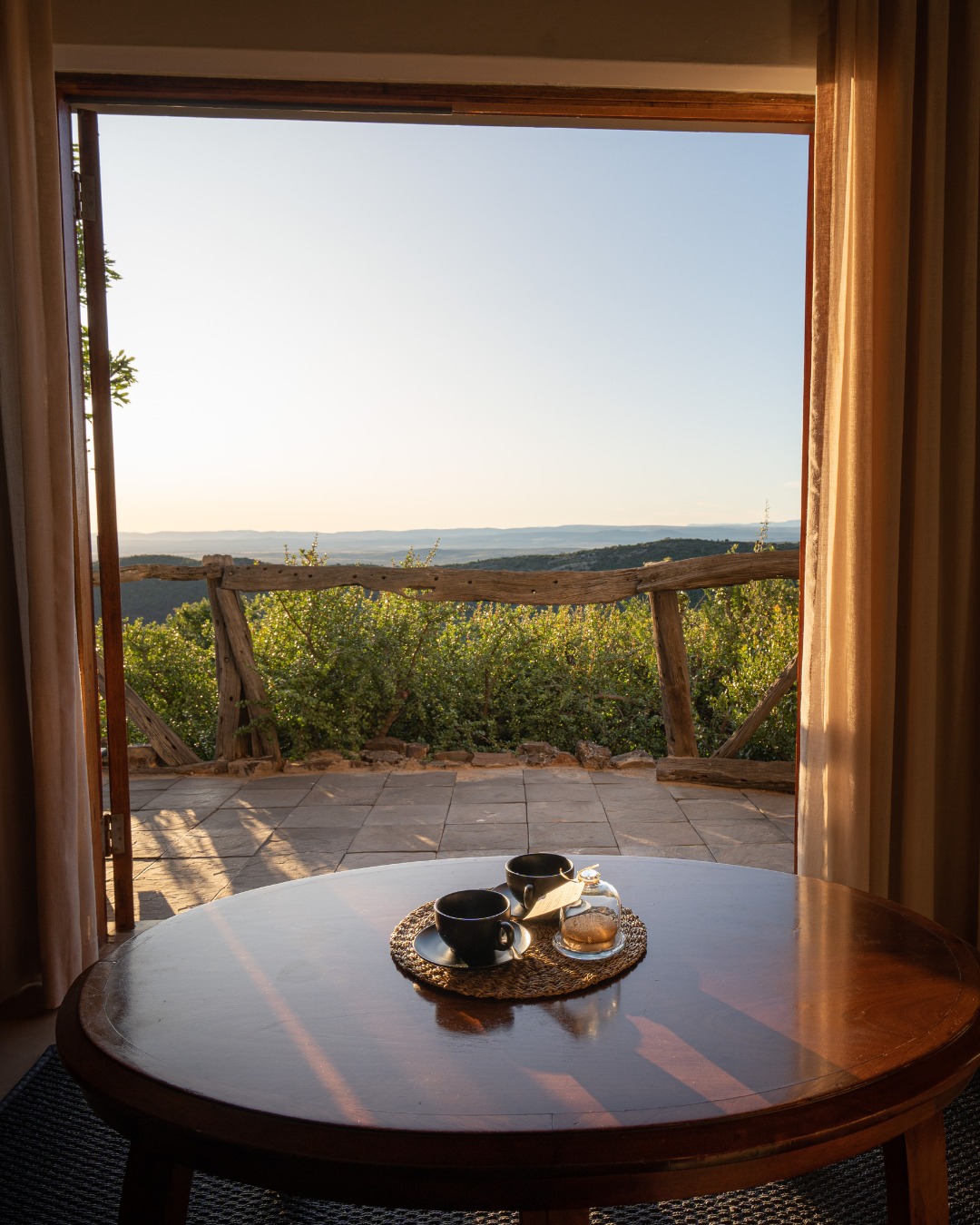
When you arrive at Kuzuko Lodge and step onto one of our viewing decks for the first time, you are greeted by the sweeping landscapes of the Karoo. It is vast, but it is far from empty. Somewhere across the plains, elephants, the icons of this remarkable landscape, move quietly through the bush. Like us, these elephants have a history, and their story is one of hardship, resilience, and hope.
Our lodge lies in the heart of the Greater Addo Conservation Area, where that story continues to unfold. The journey of the Eastern Cape’s elephants has not been an easy one, but it has become one of Africa’s greatest conservation success stories. To truly appreciate the elephants you may see from our viewing decks, it helps to understand the extraordinary history that brought them back from the brink.
From Elephant Country to Hunting Ground
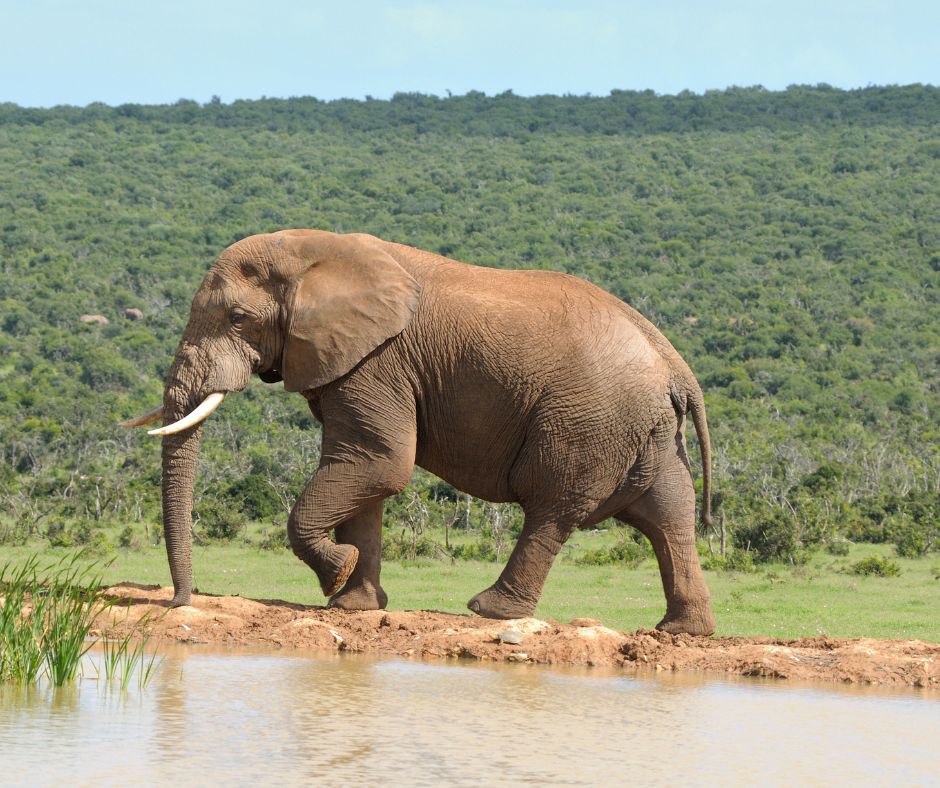
Before humans, the Eastern Cape was elephant country and great herds roamed freely across the region for hundreds of thousands of years.
As the age of explorers picked up, that changed with devastating speed. The 1700s and 1800s brought hunters, settlers and farmers to South Africa’s Eastern Cape region, and with them came relentless pressure on the elephant population. As agricultural land expanded throughout the Sundays River Valley, elephants were increasingly seen as a threat to crops, water sources and livelihoods. They were pushed back, culled and hunted with an abandon that is difficult to imagine in today’s conservation-conscious world.
Many agree that the darkest chapter was in 1919, when the government appointed Major PJ Pretorius to resolve the so-called “elephant problem” once and for all by hunting the remaining elephants to all but extinction. In just over a year, 114 elephants were shot and the once great herds of the Eastern Cape were reduced to just a handful of individuals.
Eleven Elephants
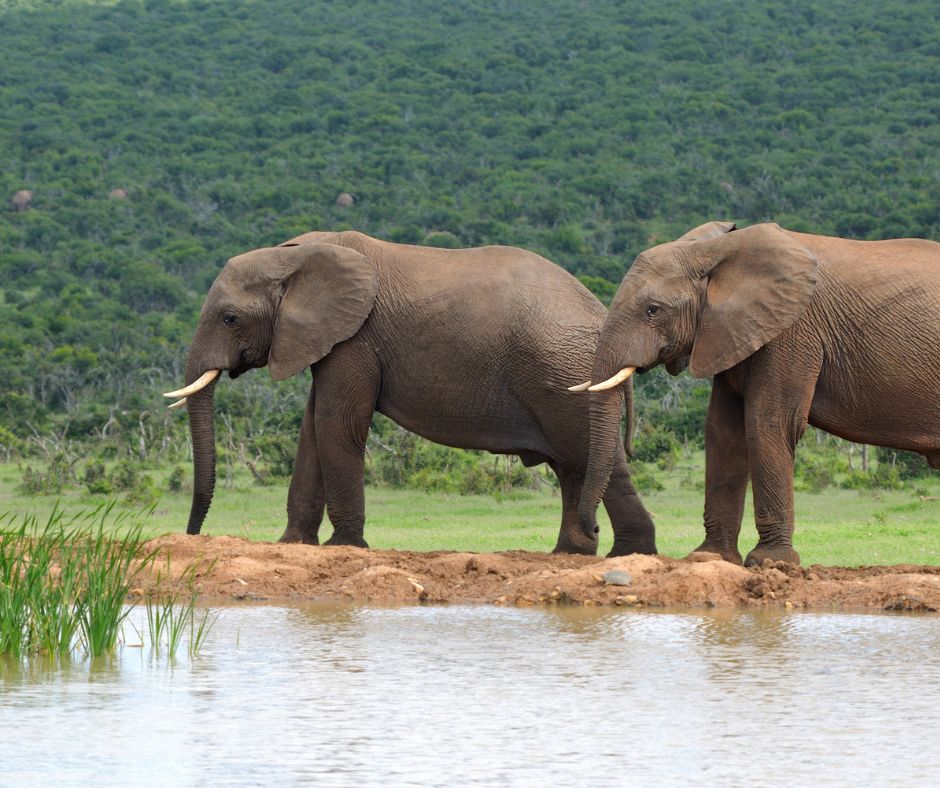
By 1931, only 11 elephants remained in the Addo area. Let that sink in…
And finally, though it was too late to undo what had been done, public opinion shifted, and that year the South African government proclaimed the Addo Elephant National Park, not yet the vast reserve it is today, but a small, urgent attempt to prevent a species from disappearing entirely from the Eastern Cape landscape.
The early years were far from straightforward. The surviving elephants had spent decades learning to fear and distrust humans and the park’s initial fencing was inadequate to contain them. Animals kept escaping and recovery, so desperately needed, seemed like a pipe dream.
The turning point came in 1954, when park manager Graham Armstrong developed an elephant-proof fence constructed from tram rails and lift cables. A resourceful South African solution, if ever there was one, and lo and behold, the “Armstrong Fence,” as it came to be known, held and is still used around the park today!
The Legend of Hapoor
Among all the elephants who have called Addo home, one stands out.
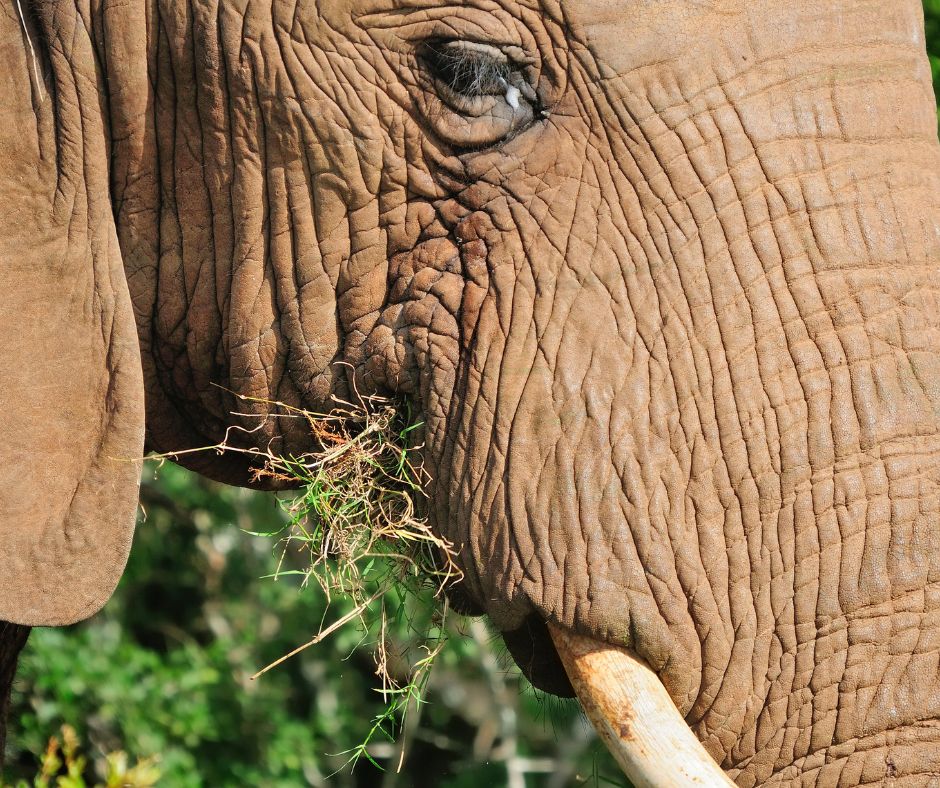
Hapoor, his name Afrikaans for “bitten ear” and drawn from the distinctive nick in his ear, believed to have been caused by a hunter’s bullet, was the park’s dominant bull for 24 years. He was magnificent, and he was dangerous. Having survived the era of extermination, Hapoor retained a deep and unrelenting distrust of humans that never left him. Park staff learned to treat his presence with extraordinary caution.
His story is not simply one of aggression, it is one of memory. Elephants do not forget, and Hapoor carried within him the trauma of what his species had endured. He was, in many ways, the living embodiment of everything the Eastern Cape elephant population had survived.
Today, a waterhole in the south-western section of Addo bears his name in tribute. You can read all about him in the park’s interpretive centre.
The Recovery
What has happened since those eleven survivors were first protected is nothing short of extraordinary.
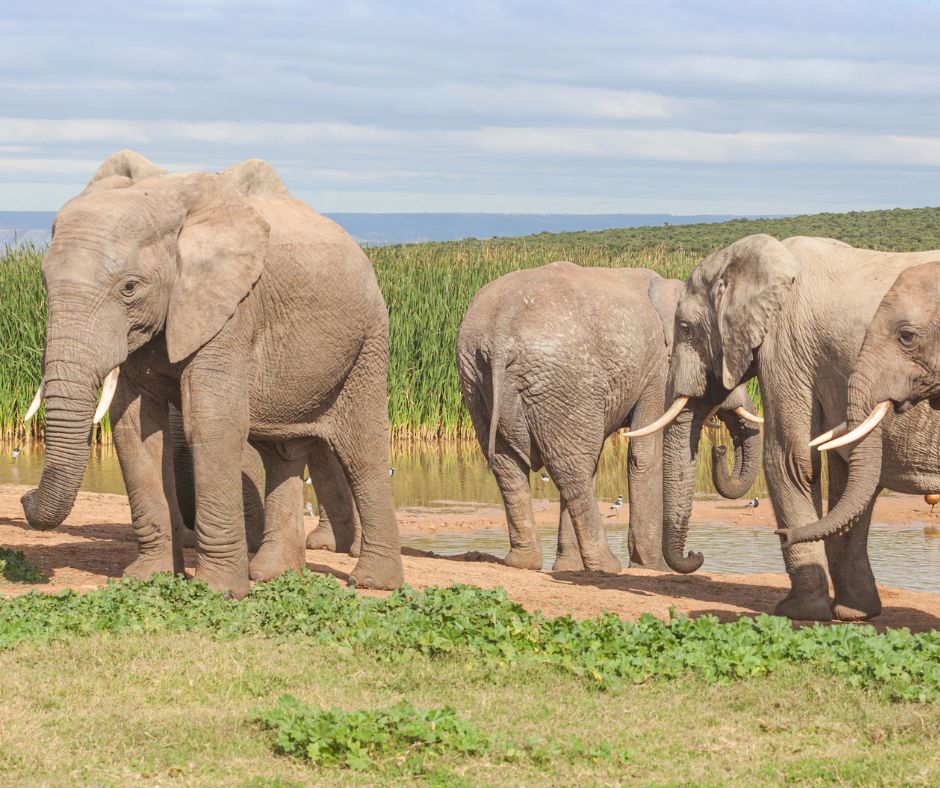
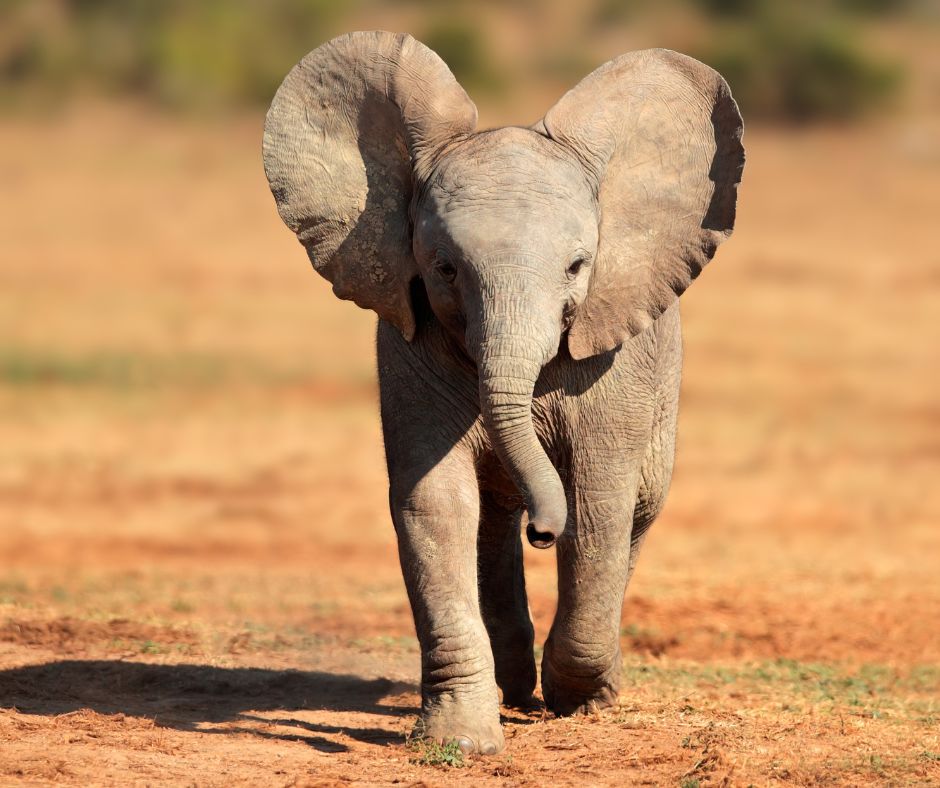
Today, the elephant population of the Greater Addo area numbers well over 600 individuals, one of the densest concentrations of elephants anywhere in Africa. The park itself has grown to encompass more than 180,000 hectares of terrestrial land and a vast marine reserve stretching into the Indian Ocean, making it one of the few protected areas in the world to offer the celebrated Big Seven: elephant, rhino, lion, buffalo, leopard, Southern Right whale and great white shark.
This is what committed, long-term conservation looks like when it works. It also shows us that some wounds take time to heal.
Your Front Row Seat
At Kuzuko Lodge, we are part of this story. Situated within the Greater Addo Conservation Area, our 35,000-acre private reserve shares its landscape, its wildlife and its conservation philosophy with one of Africa’s great recovery successes.
When you watch elephants moving across the plains from your private deck at golden hour, you are not simply witnessing a beautiful scene, you are witnessing the result of nearly a century of protection, perseverance and hard-won progress. From 11 to over 600 – and still counting.
It’s worth coming to see.
Contact our reservations team at reservations@kuzuko.com or book directly via our online booking platform.
We look forward to welcoming you to the “Place of Glory”!